notice - The article on Shirakawa-go has been published.
notice - The article on Shirakawa-go has been published.



Touring Oi-juku on the Nakasendo Road | A stroll through historical Honjin and post towns

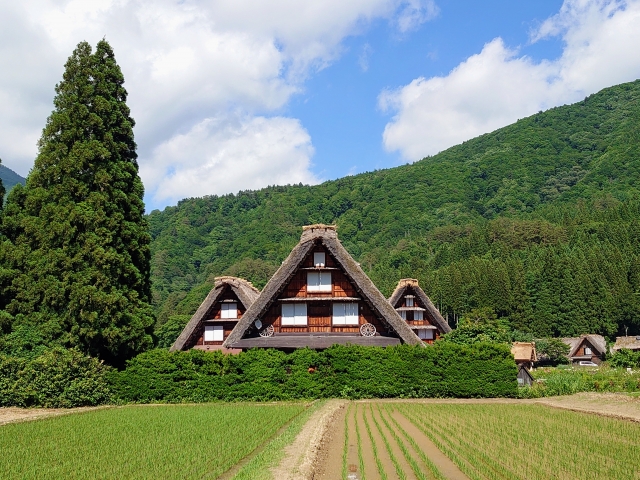
Oi-juku, located in Ena City, Gifu Prefecture, is a historic area that flourished as the 46th post town on the Nakasendo road during the Edo period. Even today, the area is dotted with stone-paved roads, townhouses, and historic sites that still retain the atmosphere of that time, making it a popular spot for history buffs and travelers who love walking around town.
name:Nakasendo Oijuku
place:Oimachi, Ena City, Gifu Prefecture
access:Approximately 10 minutes walk from Ena Station
Admission fee:Free to stroll around (some facilities require a fee)
Opening hours:Varies by facility (approximately 10:00-16:00)
parking:Available (free)
Google Maps:Map link
Official website:Ena City Tourism Association Page
place:Oimachi, Ena City, Gifu Prefecture
access:Approximately 10 minutes walk from Ena Station
Admission fee:Free to stroll around (some facilities require a fee)
Opening hours:Varies by facility (approximately 10:00-16:00)
parking:Available (free)
Google Maps:Map link
Official website:Ena City Tourism Association Page
The history of Nakasendo and Oi-juku
What is Nakasendo?
Nakasendo is one of the five main roads constructed during the Edo period, and it connects Edo (present-day Nihonbashi) to Kyoto via an inland route. With a total of 69 lodgings, it was a bustling route for people on alternate attendance routes, travelers, merchants, and more. Compared to the Tokaido, which runs along the coast, Nakasendo, which passes through mountains, is safer and is said to have been a popular route for women to travel.
The origins and history of Oi-juku
Oi-juku played an important role as a key transportation hub on the Nakasendo road, and was under the control of the Owari domain. "Honjin" and "Wakihonjin" (side inns) were established as lodgings for feudal lords and travelers on their way to Edo, and even today, remains of these inns and historical sites remain throughout the town. This area, which retains a strong sense of the Edo period, is a valuable area both historically and culturally.
Highlights of Oijuku
Oijuku Honjin ruins
This is the site of the former headquarters where feudal lords and nobles once stayed, and now there is a stone monument and an information board.
- A central facility in the post town during the Edo period
- There is a guide board showing the layout and scale of the buildings from the past.
- A popular spot for taking commemorative photos
- A starting point where you can enjoy a stroll along the road as if you were a traveler
Next to the remains of the main camp there is a sign explaining the historical background, where you can learn about the accommodation situation at the time and the role of the highway.
Stone monuments and guide signs along the Nakasendo road
In Oi-juku, road signs and stone monuments from the Edo period that pray for safe travels still remain, and serve as guideposts for strolling.
- A signpost that shows travelers distance and direction
- Stone monuments registered as cultural properties
- The information boards are written in both English and Japanese, making them easy for foreigners to understand.
- We also recommend a walking course around the town that takes you around the stone monuments scattered around the area.
This is a valuable element that allows you to experience the history of transportation on the Nakasendo road through historical sites.
The ancient roads and streets of the post town
The old stone-paved roads and townscape lined with townhouses with lattice windows strongly retain the atmosphere of a post town.
- Stone-paved streets and old roads that retain the atmosphere of the Edo period
- There are still merchant houses and old-style cafes scattered around
- There are tourist information signs all around the town
- A retro atmosphere perfect for Instagram
You can enjoy a stroll through the town, which combines historical atmosphere with modern charm.
Nakasendo Hiroshige Museum
This art museum houses and exhibits works themed around the Nakasendo and travel, with a focus on Utagawa Hiroshige's ukiyo-e prints.
- View valuable prints such as Hiroshige's "The Sixty-Nine Stations of the Kiso Highway"
- A relaxing space where modern architecture and Japanese art come together
- English explanations and audio guides available
- Ukiyo-e goods are also available for purchase at the museum shop
It is also popular among foreigners as a spot where you can experience the artistic side of travel while experiencing Japan's ukiyo-e culture.
Enjoy local gourmet food and strolling around the town
A stroll through Oijuku on the Nakasendo road is not just about enjoying the historic buildings and cobblestone streets, but also about searching for local flavors and souvenirs. Browse the shops scattered throughout the charming streets, including cafes and Japanese confectionery shops renovated from old houses, and restaurants serving local cuisine.
- Gohei mochi shop:The fragrantly grilled gohei mochi with miso sauce is a specialty of Gifu, and is perfect for takeout and eating on the go.
- Machiya Cafe:This Japanese-style cafe is housed in an old house that is over 100 years old, where you can enjoy lunch made with local ingredients and Japanese sweets.
- Local sake and souvenirs:Shops along the Nakasendo road have a wide selection of items that will make great souvenirs of your trip, including local sake, Japanese sweets, and crafts from the Ena and Nakatsugawa areas.
- Townscape Stamp Rally:If you use the stamp map distributed at the tourist information center, you can have fun collecting stamps while you're out and about.
The charm of Oijuku is that you can enjoy a relaxing time while immersing yourself in its history and atmosphere. In between sightseeing, be sure to stop by the gourmet spots and shopping areas where you can take a break.
Nearby Attractions
- Ena Gorge:A spectacular valley created by rapids carving through the rocks. Popular as a sightseeing boat and a spot to view autumn leaves.
- Iwamura Castle Ruins:One of Japan's three great mountain castles. Magnificent stone walls and historic scenery.
- Roadside Station Granny City Yamaoka:A famous direct sales store marked by a wooden waterwheel. It also offers a wide variety of local cuisine.
A relaxing stroll through the town, feeling the footsteps of history
Oi-juku on the Nakasendo Road retains the atmosphere of a post town that was the stage for history, while also being developed as a tourist area that is friendly to modern visitors. Not only are there art museums, stone monuments, and the charm of the townscape, but there is also a wide selection of local cuisine and souvenirs, making for endless enjoyment on a stroll. Be sure to visit this town where you can spend a relaxing time while experiencing the history that has continued since the Edo period.